Cutting for Growth: Five Cuts Your Scaling Company Should Make Before Year-End
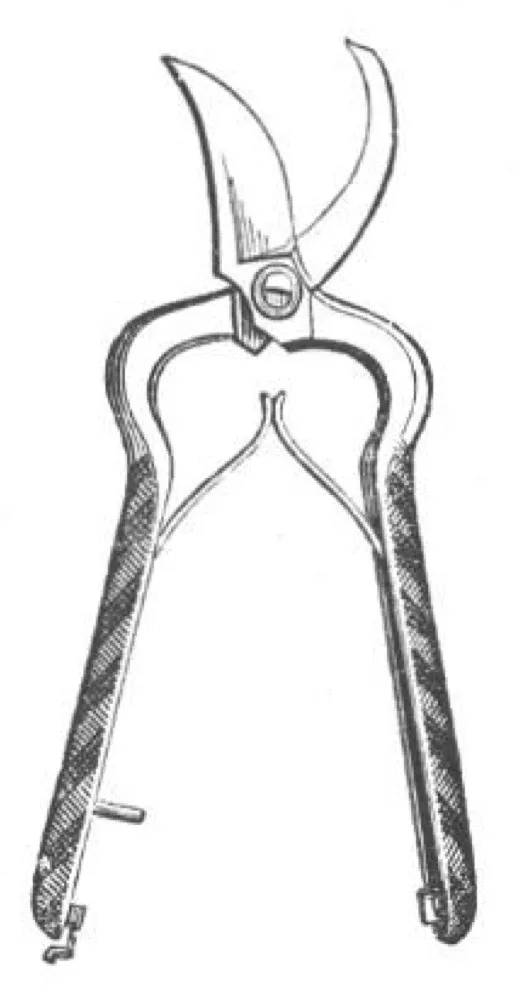
Photo: Unknown authorUnknown author, Public domain, via Wikimedia Commons
Ask any experienced gardener in the Midwest why they cut back healthy-looking plants in the fall, and they'll explain a paradox: removal drives growth. Energy that flows into dead branches and overcrowded stems never reaches the fruit. The same horticultural logic applies to scaling companies, yet most leadership teams treat subtraction as failure. They add products, hires, meetings, and processes reflexively—and then wonder why the organization feels exhausted and underperforming at the same time.
Pruning is not downsizing. Downsizing is reactive; pruning is deliberate. Here are five cuts worth making this quarter, each with the signals that identify the dead wood and a playbook for cutting it cleanly.
1. The Product Nobody Buys Anymore
Signals: Revenue flat or declining for three consecutive quarters, support tickets concentrated in a small user base, engineering time disproportionately allocated to maintenance rather than improvement.
The playbook: Run a 30-day review with real data—revenue per engineering hour, support load, gross margin. If the numbers confirm the drift, announce a sunset date at least 60 days out, offer migrating customers a meaningful incentive on your surviving products, and thank the team that built it publicly. Sunsetting a product is not an indictment of the people who made it; say so explicitly.
2. The Recurring Meeting That Outlived Its Purpose
Signals: Attendance decaying over time, decisions made in side channels anyway, an agenda that hasn't meaningfully changed in six months.
The playbook: Cancel it for a month as an experiment, not a verdict. Route anything truly urgent to async updates or a 15-minute standup. Most teams discover that two-thirds of their recurring meetings were theater. The one-third that mattered will recreate themselves quickly.
3. The Customer Segment That Costs More Than It Returns
Signals: Custom work required for every deal in the segment, longest sales cycles, highest churn, sales reps who quietly dread those accounts.
The playbook: Segment your book of business by fully-loaded cost to serve, not just revenue. For the bottom tier, either reprice to reflect true cost, move them to a self-serve tier, or part ways professionally. Firing customers feels heretical in a growth-stage company. It is frequently the single highest-ROI operational decision available.
4. The Process Built for a Company Twice Your Size (or Half It)
Signals: Approvals that take days for decisions worth hundreds of dollars, three tools doing one tool's job, a workflow nobody can fully explain because it accreted over years.
The playbook: Map one core workflow end to end—quote to cash, hire to onboard—and mark every step that adds no information, no approval value, and no compliance protection. Eliminate or automate those steps. Do one workflow per quarter rather than a grand reorganization; incremental pruning sticks better than a single dramatic overhaul.
5. The Initiative on Life Support
Signals: The project has missed two reset deadlines, the original champion has moved on, and status updates have become increasingly vague.
The playbook: Ask the team a direct question: "If we were not already doing this, would we start today?" If the honest answer is no, wind it down within 30 days, document what was learned, and redeploy the people to something with live demand. Zombie initiatives don't just consume budget—they teach your best people that effort and outcomes are disconnected.
Pruning Without Breaking the Culture
The difference between pruning and demoralizing comes down to three practices. First, explain the why in terms of resource allocation, not blame: energy redirected, not failure punished. Second, cut in daylight—secretive cuts breed rumor and speculation that cost more than the cuts themselves. Third, redirect visibly. When people see the hours and dollars from a sunset initiative flowing into something promising, subtraction reads as strategy.
A scaling company is a living system, and living systems stay healthy through disciplined removal as much as through addition. Look at your product portfolio, your calendar, and your customer list this quarter, and ask the gardener's question: which of these is actually feeding the growth you want? Then make the cut.