Planting in Your Own Shadow: Why the Product That Made You Famous Blocks the One That Makes You Grow
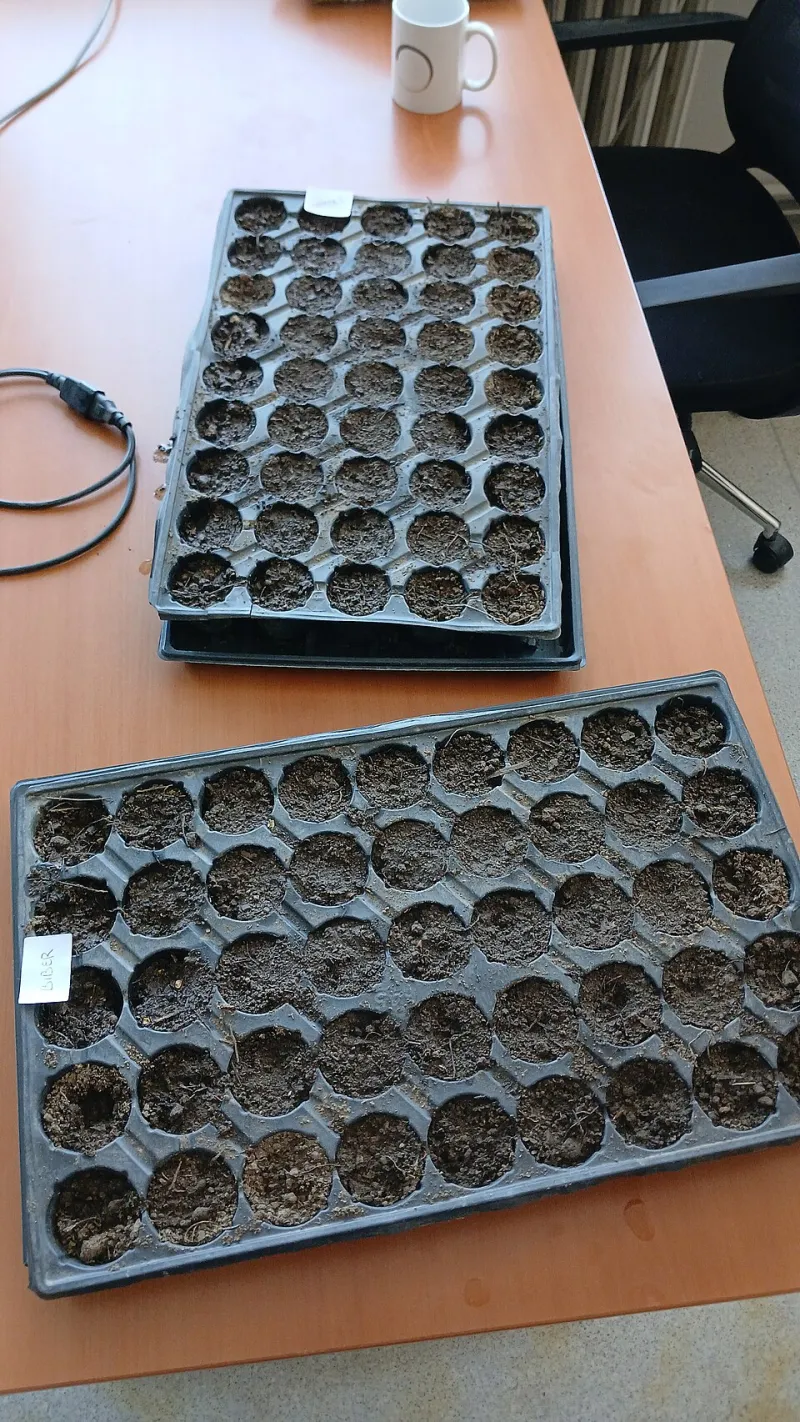
Photo: Furkan Akkurt, CC BY-SA 4.0, via Wikimedia Commons
Every founder remembers the first product. The long nights, the first paying customer, the quarter the numbers finally turned. What few anticipate is how much that success will cost them the second time around.
At Budding Solutions, we've watched the same pattern repeat across dozens of growth-stage companies: the first product becomes so central to the organization's identity, staffing, and cash flow that any attempt to grow something new is quietly smothered — not by competitors, but by the very business it's meant to expand.
The Core Is a Machine That Eats New Ideas
A proven product has a gravitational pull. It owns the best people on the team, the majority of engineering capacity, and every dollar of the sales organization's attention. Why would a rep chase a commission on an unproven offering when the flagship practically sells itself?
This isn't malice. It's rational resource allocation — and it's lethal to innovation. New products are fragile. They need shelter from the performance metrics that govern the core business, and they rarely get it. In many US companies we've worked with, the second product's roadmap is the first thing sacrificed every time the flagship has a strong or weak quarter. Either way, the new thing loses.
There's also a brand problem. Customers know you for one thing. When a company known for, say, logistics software launches a payments product, the market hesitates — and so does the internal team, who secretly wonder whether they're diluting the brand rather than extending it.
A Framework for Growing the Second Seed
We recommend treating a new offering the way a gardener treats a seedling: separately, deliberately, and with protection from the weather outside.
1. Quarantine the budget. Ring-fence a fixed investment for the new product, reviewed quarterly but not raidable. If the core business can siphon from it, it will.
2. Staff a small, dedicated pod. Three to five people who work on nothing else. Borrowing people "when they have bandwidth" is how second products die of exposure.
3. Set learning metrics, not revenue metrics. Judge the new product on validated customer conversations, pilot conversions, and iteration speed for the first year — not on contribution margin. Premature revenue targets force a young product to behave like a mature one.
4. Decide the brand question early. Will the new offering carry the parent brand or a sub-brand? Make the call before launch, not after the marketing team argues about it for six months.
5. Define the graduation path. Specify in advance what evidence would justify folding the product into the core go-to-market engine — and what would justify shutting it down. Ambiguity here breeds the turf wars that kill momentum.
Prune Without Panic
Not every second product deserves to live. The discipline is in distinguishing between a product failing because the market said no and one failing because the organization never gave it sunlight. Run the experiment honestly: if a dedicated team, protected budget, and twelve months of learning still produce no signal, you have a real answer. If you never ran that experiment, you have nothing but a suspicion.
Growth doesn't come from planting more seeds in the shadow of your tallest tree. It comes from giving the next one its own patch of ground.